Every fall, a new class of professors walks into seminary and university classrooms with a freshly minted doctorate and almost no training in how to teach. They spent years writing dissertations on the Hebrew prophets, the early church, or the Black freedom struggle, yet few of them devoted even a week to learning how to bring that material alive for the students in front of them.
Their institutions then promote them for what they publish and judge their teaching — if they judge it at all — through end-of-semester evaluations. The students in those rooms will become pastors, chaplains, schoolteachers and civic leaders, and they will carry what they learned there into a nation bitterly divided over faith. Dr. Nancy Lynne Westfield has spent more than two decades arguing that the craft of teaching deserves the same seriousness as the scholarship behind it.
Her new book, "Thinking Teaching: Stories, Insights, and Strategies to Ignite Reflection, Discussion, and Imagination," makes that argument more persuasively than anything I have read in years. It belongs on the desk of every seminary president, provost, and religion department chair in the country.
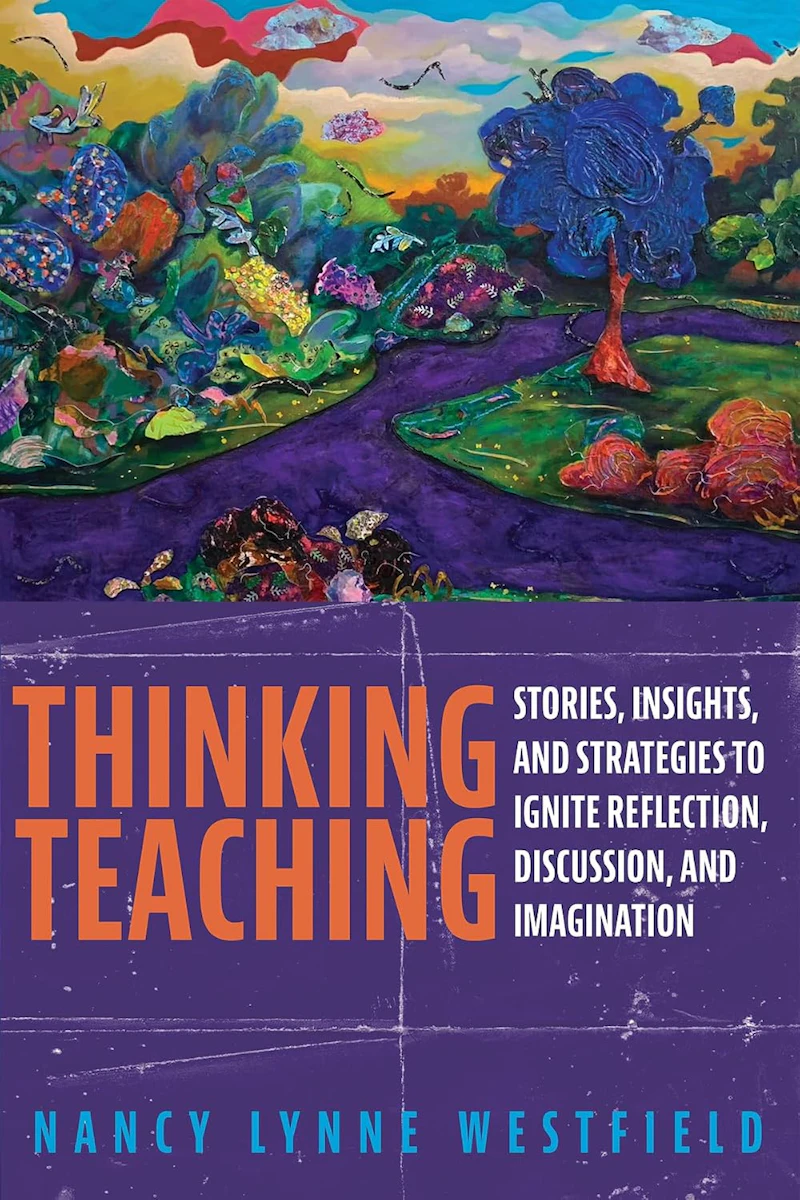
The Wabash Center for Teaching and Learning in Theology and Religion, which she has led since 2019, has quietly built the model the rest of the academy should copy. The book gathers 66 short pieces that Westfield wrote for the Wabash Center, culled from hundreds of blog posts. Each essay closes with questions meant to spark conversation among colleagues, and readers can open the volume anywhere. Its path to print shows how fiercely she believes in that form. Around 2014, she shaped the posts into a proposal and took it to a gathering of scholarly and trade publishers, most of whom passed. A fifth editor seemed eager until the very end of their conversation, when she asked, “Of course, you will expand each blog into a full chapter — right?”
“My heart sank,” Westfield wrote in an essay marking the book’s release. She was convinced that “the short form carried its own integrity, accessibility, and power,” so she set the manuscript aside rather than inflate it. Years later, the editor, Dr. Donald Quist, helped her trust that instinct again. Her patience was justified. A professor with fifteen minutes between a committee meeting and an afternoon seminar will finish one of these 750- to 900-word reflections and take it with her into the room.
The book matters, first, because it names what the academy rarely admits: most professors were never prepared to teach, and many teach in isolation. Westfield hopes the volume will serve as “a companion for individual readers, small groups, and faculty communities,” and that aspiration is what sets it apart. Institutional incentives reward the solitary scholar. Her reflection questions turn private reading into shared practice, and a department that works through them together will recover a habit of honest talk about the classroom that tenure and promotion systems seldom encourage. It matters, too, because of who wrote it and the commitments she brings. Westfield is a prominent womanist theologian and an ordained deacon in the United Methodist Church.